Langold Country Park: The Lake, a Mining Past and Bats
Seven bat species have been recorded at Langold Country Park, which makes it one of the more important bat sites in the county. The park lies in the Bassetlaw district of Nottinghamshire and is managed by Bassetlaw District Council. At first glance it looks like an ordinary recreation ground beside a lake, but its history goes back to the eighteenth century and is tied closely to a local colliery. Both Langold Lake and the park's mining past are worth a closer look. What can you see by the water, which legend do locals tell, and what should you know before you visit?
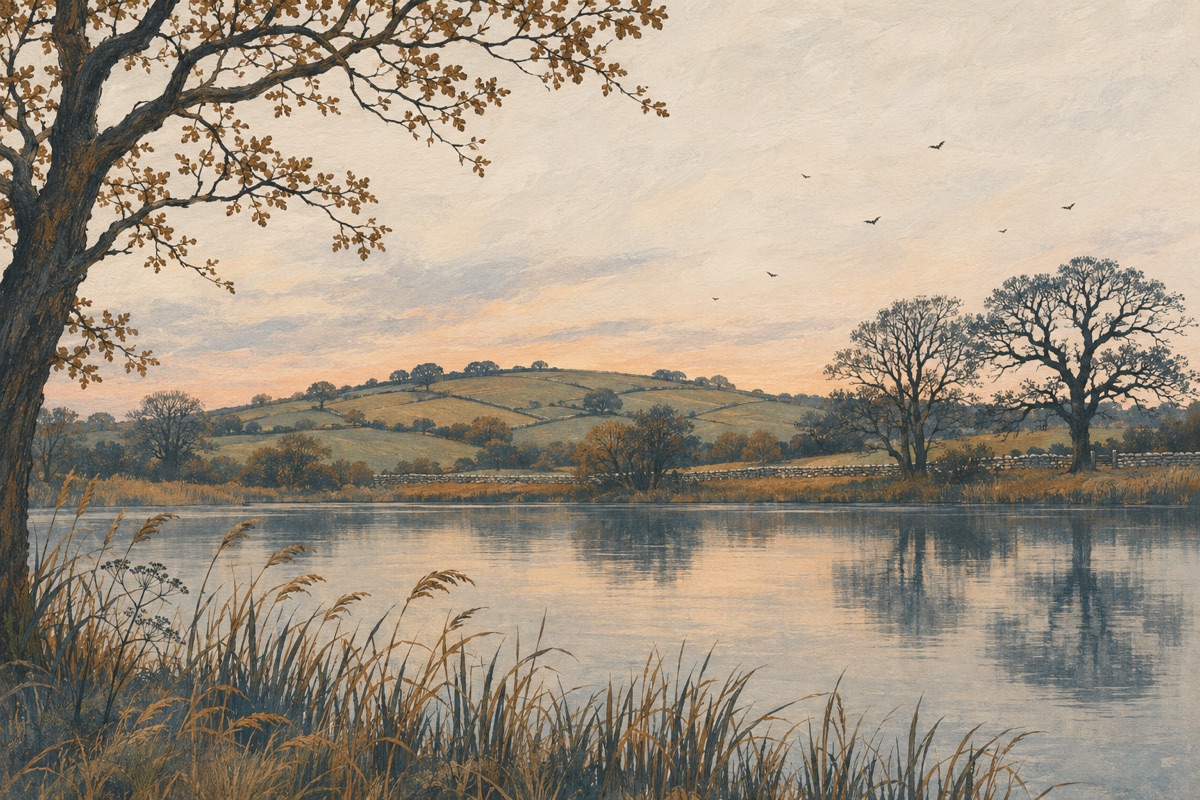
Where Does the Landscape around Langold Lake Come From?
The grounds owe their layout to Ralph Knight of Langold Hall, who designed the landscape around the lake in the 1750s. He meant to build a mansion here, but he died in 1768, when work had barely started.
Today the lake is the main attraction of the park, and most walking routes are centered on it. One unusual detail from its past is the old administrative boundary. Before 1992 the eastern half of the main lake lay in Nottinghamshire and the western half in Rotherham, with the border running straight through the water.
How Did the Miners Shape the Park?
The village of Langold was built between 1923 and 1927 for the miners of Firbeck Colliery. In July 1927 the Firbeck Colliery Company bought the park for its miners to enjoy, mainly as a place to fish. It gave the new settlement a natural recreation ground and served residents from the start.
The park grew over time, gaining a children's paddling pool (lido) and a bandstand. In 1929 the first Langold Gala is said to have drawn about 10,000 visitors, an impressive turnout for a settlement built only a few years earlier. Some facilities changed later: the lido was removed in 2013, and new play areas followed in 2014. The park's mining past is still visible in the colliery spoil tip, which stands 81 meters high. It is a reminder of the industry that shaped this landscape.
Bats at Langold Country Park: Who Lives Here?
The park is especially important for its bats. Seven species have been recorded here: the noctule, brown long eared bat, Daubenton's bat, Natterer's bat, whiskered bat, common pipistrelle and soprano pipistrelle.
These species hunt in different ways. Myotis bats, Daubenton's bat in particular, catch insects low over the water, which makes the lake a natural feeding ground. The noctule usually flies higher above the land, while pipistrelles tend to hunt along banks and the edges of trees.
It is worth staying by the lake until dusk, since bats become active after sunset. Stand quietly near the water, avoid pointing flashlights at the sky and keep your voice down. Ask the park's managers for more information about watching bats.
The Green Lady Trail: A Legend by the Water
The Green Lady Trail is named after a local legend about a Green Lady said to appear near the lake. It is only a story, but tales like this give a place its character. We think the name makes a good excuse to explore the park and see the water at different times of day. The trail adds a local story to the park's landscape and wildlife.
A walk along the shore also gives a view of the spoil tip, a reminder of the area's industrial past. Water on one side and the remains of the colliery that created the village on the other make a contrast that helps set the park apart.
What to Know before You Visit
Langold Country Park is popular for picnics and walks, but a few practical points are worth keeping in mind. There is no cafe and there are no restrooms by the lake, so bring food and drink. If you plan a longer visit with children, allow for the lack of restrooms by choosing a shorter walk or taking a break away from the park. Bassetlaw designates the fishing areas, so check them before you set out if you plan to fish.
The website of Bassetlaw District Council is the best place to check these details. Access times, charges and park rules can change, so we recommend reading the park managers' latest notices before each visit.
Summary
Langold Country Park combines an eighteenth century designed landscape, the history of a mining village and seven bat species. The lake, the Green Lady Trail and the 81 meter spoil tip give you plenty of reasons to spend a quiet day here. Come and explore, but before you leave, check the latest information on the Bassetlaw District Council website and pack a picnic.